
I've been teaching programming for over eight years, and this is hands down the most common question I get: "Should I learn Python or JavaScript first?" It's a great question because both languages dominate the programming landscape in 2024, but they'll take you down very different paths.
Let me share what I've learned from watching hundreds of students navigate this decision, plus some hard data and recent industry insights to help you make the right choice for your goals.
The Current State of Both Languages in 2024
The programming landscape has shifted dramatically in 2024, with some surprising developments. Python overtook JavaScript as the most popular language on GitHub for the first time, ending JavaScript's decade-long reign at the top. This historic shift primarily reflects the rise in Python that's accompanied the generative AI boom we've seen over the past two years.
However, JavaScript (62%), HTML/CSS (53%), and Python (51%) still top the list of most used languages for the second year in a row, with JavaScript being the most popular language every year since the inception of the Developer Survey in 2011. The key difference is that Python is the most desired language this year, overtaking JavaScript among developers looking to learn something new.

Why Python Has Surged in Popularity
Python's meteoric rise isn't just about hype—it's driven by concrete industry trends. One in five surveyed respondents has been programming in Python for less than a year, and over two-thirds of computer science learners worldwide reported using Python for both learning and work in the past year.
The language dominates several high-growth fields:
- AI and Machine Learning: Usage of Jupyter Notebooks "skyrocketed" with a 92% jump in usage, which along with Python's rise seems to underscore "the surge in data science and machine learning on GitHub"
- Data Science: The most commonly used programming language for AI and ML is Python. Given its status as the second most popular programming language, Python boasts extensive libraries (such as TensorFlow, Keras, PyTorch, and scikit-learn) and strong community support
- Education: Python is most popular for those learning to code, making it the go-to choice for universities and coding bootcamps
What makes Python particularly appealing to beginners is its philosophy. Python was developed with a focus on simplicity and readability. Created in the late 1980s and gaining popularity in the early 2000s, Python is known for its clear and concise syntax that emphasizes readability.
JavaScript's Continued Web Dominance
Despite Python's GitHub victory, JavaScript maintains its stranglehold on web development. JavaScript is one of the standard languages of the web, with 98% of websites using it. This ubiquity creates massive job opportunities—nearly half of all developer jobs are web development, compared to a mere 8% of jobs that involve mobile app development.
JavaScript's versatility has expanded far beyond browsers:
- Full-Stack Development: With Node.js, JavaScript runs on both client and server
- Mobile Development: React Native enables cross-platform mobile apps
- Desktop Applications: Electron powers apps like Discord and Spotify
- Real-time Applications: Asynchronous programming is central to JavaScript's design. Its event loop and Promises make it highly efficient for real-time, event-driven applications
While Python now leads in overall activity, JavaScript still maintains its dominance in code pushes. It remains a formidable presence, thanks in no small part to the extensive ecosystem facilitated by npm.
Learning Curve: Which Is Easier for Beginners?
This is where the choice becomes more nuanced. Both languages are beginner-friendly, but they offer different advantages.
Python's Learning Advantages:
- Python is often recommended because of its clean syntax and readability. It lets beginners focus on logic instead of fighting the language. For many, this makes the first steps into programming less intimidating
- Pytest's concise syntax makes it particularly beginner-friendly for testing
- If you are not sure yet which career path to take in programming, Python can be a better choice; it allows a wider range of opportunities
JavaScript's Learning Advantages:
- JavaScript connects beginners directly to real products. It runs in the browser, powers modern web apps, and gives instant visual feedback. You write code and immediately see something happen
- JavaScript runs on any device that has a browser, right there in the browser. You can build basically anything with JavaScript, and share it anywhere
- No complex setup required—any computer with a browser can run JavaScript
Career Prospects and Salary Comparison
Both languages offer excellent career prospects, but with different focuses and compensation patterns.
Salary Comparison (2024 Data):
The salary landscape shows interesting variations depending on the source and region. According to Indeed, the average salary of a JavaScript developer is $113,918 per year, while Python developers earn $131,662 annually. However, other sources show different patterns: Indeed states that the average salary of a Python software developer is $62 per hour in the US, while a JavaScript developer earns $48 correspondingly. Another data provided by StackOverflow states that Python programmers earn approximately $67,723 annually, while JavaScript developers make around $63,694.
The variation in salary data reflects several factors:
- Python developers are often in high demand for their expertise in data science, machine learning, and artificial intelligence applications. As a result, Python developers may command higher salaries compared to JavaScript developers in certain industries and regions
- Engineering roles utilizing TypeScript, Python, or Go tend to command marginally higher median compensation–Python by 6–8% (US market)
- JavaScript, being the language of the web, has a massive demand in the industry as it powers frontend and backend development. Both languages are highly popular, but the demand for JavaScript might be slightly higher due to its versatility
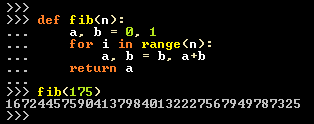
Image: Fibonnacci-Python — Python Software Foundation (GPL), via Wikimedia Commons
Making the Right Choice for Your Goals
Your decision should align with your career aspirations and interests:
Choose Python First If You:
- Are interested in data science, AI, or machine learning
- Want to work in scientific computing or research
- Prefer a gentler learning curve with readable syntax
- Are exploring programming without a specific domain in mind
- Want to get into backend web development with frameworks like Django or Flask
Python is more suitable for data science, machine learning, artificial intelligence, scientific computing, and backend web development. It has a wide range of libraries and packages specifically tailored for these fields.
Choose JavaScript First If You:
- Want to build websites or web applications
- Are interested in seeing immediate, visual results of your code
- Want to become a full-stack developer using a single language
- Are interested in mobile app development (React Native)
- Want the most job opportunities in the shortest time
JavaScript is more suitable for web and mobile app development. It allows you to develop full-stack apps using a single programming language.
The Flexibility Factor:
There is no universally best first language. The best choice depends on what you want to build and where you want to go. Both languages are accessible to beginners, and in order to move beyond the basics, you need to learn your first language well. Then your second language will be much, much easier.
The Bottom Line
The Python vs JavaScript debate isn't really about which language is "better"—it's about which aligns with your goals. Python's 2024 surge reflects the growing importance of AI and data science, making it an excellent choice for those interested in these cutting-edge fields or who want the most beginner-friendly syntax.
JavaScript remains the backbone of the web and offers more immediate job opportunities across a broader range of companies. Its instant visual feedback makes it engaging for beginners, though the syntax can be trickier to master initially.
My recommendation? If you're completely new to programming and want the smoothest learning experience, start with Python. If you're excited about building websites and web apps and want to see immediate results, choose JavaScript. Either way, you're setting yourself up for a rewarding career in tech.
Remember, your first language won't be your last. The fundamental concepts you learn—variables, loops, functions, and problem-solving approaches—transfer between languages. Focus on building a solid foundation with whichever language you choose, and you'll find it much easier to pick up additional languages as your career progresses.
Sources & References:
Stack Overflow Developer Survey — Stack Overflow, 2024
GitHub State of the Octoverse Report — GitHub, 2024
Python Developers Survey Results — Python Software Foundation & JetBrains, 2024
DevJobsScanner Programming Languages Salary Study — DevJobsScanner, 2024
JetBrains State of Developer Ecosystem Report — JetBrains, 2024
Disclaimer: This article is for informational purposes only. Technology landscapes change rapidly; verify information with official sources before making technical decisions.