
As engineers, we're constantly designing systems that need to make decisions—from automated deployment pipelines to recommendation algorithms. Recent changes in organizational leadership structures across tech companies have got me thinking about a critical aspect we often overlook: governance architecture. How do we design decision-making systems that are both efficient and accountable? The parallels between organizational governance and system architecture are more profound than you might think, and understanding them can transform how we build resilient systems.
The Centralization vs. Distribution Dilemma
The fundamental challenge in both organizational and system governance is striking the right balance between centralized control and distributed autonomy. Resilience in system architecture refers to the system's ability to maintain its functionality and performance despite failures, faults, or unexpected events. Similarly, organizational resilience requires distributed decision-making capability while maintaining strategic coherence.
In my experience building distributed systems, I've observed that when multiple subsystems run as part of a single, overarching process, one component fault can easily cause cascading failures. The same principle applies to organizational governance—over-centralized decision-making creates single points of failure, while complete decentralization leads to inconsistent outcomes and conflicting priorities.
Modern successful architectures embrace what I call "distributed governance with centralized principles." Microservices decompose a monolithic application into smaller, independently deployable services. Each microservice has its own bounded context and can scale, deploy, and fail independently, improving resilience and agility. Organizations can apply this same pattern by distributing operational decisions while maintaining centralized strategic oversight.

Architectural Patterns from Panel Governance
When advisory panels restructure, they're essentially implementing architectural patterns we recognize from systems design. The most common patterns include:
Circuit Breaker Pattern: Implement the Circuit Breaker pattern to detect and handle faults in a service. When a service is consistently failing, the circuit breaker trips, preventing further requests to that service for a specified time. In governance terms, this means temporarily bypassing dysfunctional decision-making processes when they become unreliable.
Bulkhead Pattern: This resilience pattern enables developers to design a system with multiple, independent subsystems and services running in their own private machines or containers. This limits the effect of a failure on neighboring processes, allows teams to examine those failures in isolation. Organizations implement this by creating independent working groups that can operate autonomously when other committees are compromised.
Graceful Degradation: Implement Graceful Degradation by disabling non-essential features during challenging conditions. This ensures that critical functionalities remain operational, providing a smoother user experience. When key decision-makers are unavailable, systems should continue operating with reduced functionality rather than halting entirely.
Building Fault-Tolerant Decision Systems
The best decision-making systems anticipate failure rather than trying to prevent it entirely. It's not just about preventing failure but embracing it as an inevitable part of complex systems. This philosophy, borrowed from chaos engineering principles, applies directly to governance design.
Netflix's approach to chaos engineering offers valuable lessons for governance architecture. Knowing that this would happen frequently has created a strong alignment among engineers to build redundancy and process automation to survive such incidents, without impacting the millions of Netflix users. Chaos Monkey is one of our most effective tools to improve the quality of our services.
In practice, this means:
- Redundant Decision Paths: Multiple routes to reach the same decision, ensuring alternatives when primary processes fail
- Automated Fallbacks: Implement Automated Recovery mechanisms and Autoscaling. Automatically restore services and scale resources based on demand to ensure quick recovery and optimal performance.
- Regular Stress Testing: Deliberately challenging decision-making processes to identify weaknesses before they cause real problems
- Clear Escalation Protocols: Well-defined procedures for when normal decision-making processes become unavailable
Implementing Governance Patterns in System Design
Modern governance frameworks are increasingly adopting technology-driven approaches. Modern decision frameworks now incorporate multiple stakeholders, risk assessment, and compliance considerations. They provide organizations with several advantages: Reduced cognitive bias through standardized evaluation criteria, improved documentation of decision rationale for future reference.
Here's how to implement governance patterns in your systems:
1. Define Clear Decision Rights: It addresses concerns such as who is empowered to make which decision, what process they must follow, and who they must consult. These are political questions: they influence how power is exercised within your organisation. In systems terms, this means clearly defining which services can make which types of decisions independently.
2. Implement Backpressure Mechanisms: Backpressure is a resilience approach that configures individual application systems and services to autonomously push back incoming workloads that exceed its current throughput capacity. For instance, if slow DB queries and a congested network traffic are causing long delays to remote service calls, a service can push back those workloads to retain its performance.
3. Create Audit Trails: Technology creates automatic audit trails of the decision process, including who contributed information, who approved what, and the timeline of activities. This documentation proves invaluable for regulatory compliance and future reference.
4. Enable Real-time Monitoring: The quarterly board meeting model is being disrupted by real-time governance capabilities that enable continuous oversight and more agile decision-making. "The quarterly board meeting will probably be a lot shorter because the board will have met several times in between."
Learning from Chaos Engineering
Chaos engineering is the discipline of experimenting on a system in order to build confidence in the system's capability to withstand turbulent conditions in production. This principle applies beautifully to governance systems. Instead of waiting for crises to reveal weaknesses in decision-making processes, we should proactively test them.
Consider implementing "governance game days" where you simulate decision-making under stress:
- What happens when key decision-makers are unavailable during a critical incident?
- How does the system perform when normal communication channels fail?
- Can alternative decision-makers access the information they need quickly?
- Are fallback processes actually viable under pressure?
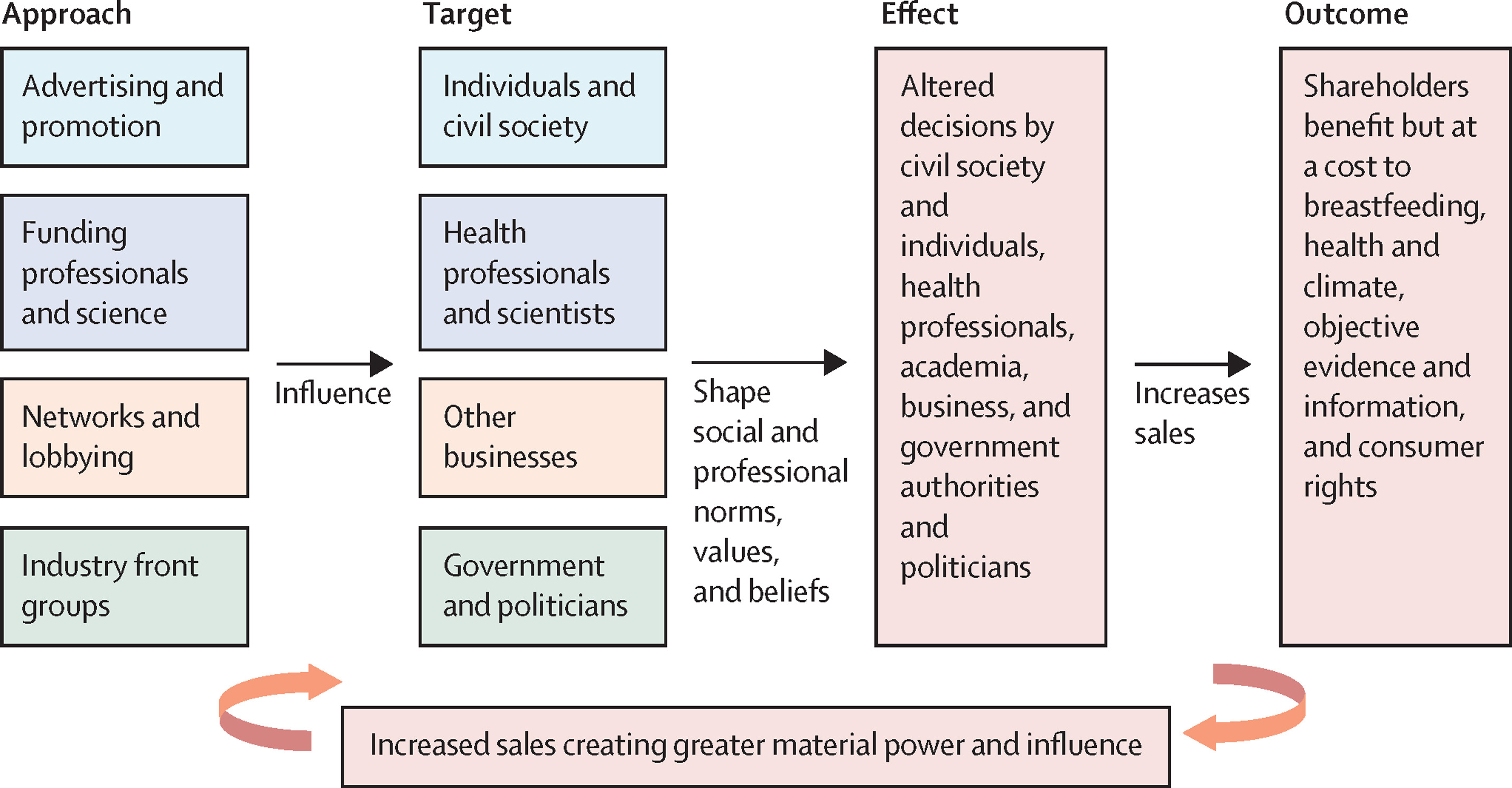
Image: Conceptual framework of commercial milk formula marketing—a reinforcing system of influence — Authors of the study: Prof Nigel Rollins, MD Ellen Piwoz, ScD Phillip (CC BY 3.0 igo), via Wikimedia Commons
They run chaos engineering in production traffic for accuracy. Yet blast radius must be controlled to avoid affecting users. Similarly, governance stress tests should be realistic but contained, ensuring learning without causing actual disruption to business operations.
The Future of Governance Architecture
The evolution toward more resilient governance systems mirrors broader trends in technology architecture. Advocates adopting innovative, more inclusive, transparent, and adaptable governance models. It highlights the potential of digital technologies and data-driven decision-making to enhance governance effectiveness and accountability.
AI and machine learning are beginning to play roles in governance systems, AI tools for participatory policy making improve democratic and community engagement and increase social cohesion. Community groups and citizens develop AI tools to make civic engagement more appealing and enjoyable, which increases democratic participation especially in sortition-based, deliberative processes.
However, this technological evolution brings new challenges. ADM systems will be (and in some cases already are) able to make better decisions than humans. Is this enough for us to accept these systems as legitimate political decision-makers even if the processes and rationales behind the decisions are less transparent?
The key is maintaining the balance between efficiency and accountability that has always been at the heart of good governance design.
Practical Implementation Strategies
To implement these governance patterns in your organization or system design:
Start Small: Adopt resilience patterns like circuit breaker, retry, bulkhead and timeout patterns. Decentralization: Avoid having a single point of failure by decentralizing components.
Design for Failure: "Design for failure" is a concept in system design that involves intentionally planning and designing a system with the assumption that components will fail or experience faults. The goal is to create a system that can continue to operate or quickly recover from failures without causing a complete breakdown of functionality. Rather than trying to eliminate the possibility of failure, the focus is on minimizing the impact and downtime associated with failures.
Embrace Continuous Learning: Building resilient software requires a mindset shift from fearing failure to embracing it as an opportunity for growth. Resilient architectures not only navigate challenges but thrive in the face of adversity.
Leverage Technology: Effective decision making frameworks transform how organizations approach choices, leading to better outcomes, reduced risk, and improved governance. By selecting appropriate frameworks and implementing them with the support of technology, corporate leaders create a competitive advantage through superior decision processes.
The Bottom Line
The intersection of system architecture and governance design reveals fundamental principles that apply whether you're building microservices or restructuring advisory panels. Both domains require balancing autonomy with coordination, efficiency with accountability, and innovation with stability.
The most successful systems—technical and organizational—share common characteristics: they distribute decision-making authority while maintaining clear principles, they plan for failure rather than trying to prevent it entirely, and they continuously evolve based on real-world feedback.
As we continue to build increasingly complex systems in an uncertain world, the lessons from governance design become even more critical. The organizations and systems that thrive will be those that embrace architectural thinking in their governance design, creating resilient decision-making systems that can adapt and recover rather than simply trying to avoid disruption.
Whether you're designing the next generation of distributed systems or helping to restructure organizational governance, remember that the principles are remarkably similar. Build for resilience, plan for failure, distribute wisely, and always maintain clear lines of accountability. Your future self—and your users—will thank you.
Sources & References:
Deepak Gupta — Medium, 2024
Microsoft Azure Well-Architected Framework — Microsoft Learn, 2024
Ted Rau — Medium, 2024
Chaos Engineering Principles — Netflix Technology Blog, 2024
Global Governance Innovation Report — Security & Sustainability, 2024
Disclaimer: This article is for informational purposes only. Technology landscapes change rapidly; verify information with official sources before making technical decisions.